Countries and cities change faster than anyone expects. Within my own short life, inbound tourism to Japan has reached levels never seen before, and travelers or not, all of us now live in a Japan that has become a nation of immigrants.
Yet when people set out to travel in Japan, there is one thing most itineraries still leave out, and that is an encounter with a natural disaster. A trip is time spent away from ordinary life for the sake of pleasure, so I understand not wanting to dwell on anything grim. But Japan is one of the most earthquake-prone countries in the world, a land that holds a great many volcanoes, and no one can predict when or where disaster will strike. That is exactly why, if you want to enjoy Japan in earnest, preparation and the right frame of mind matter more than anything else, and they can decide your fate. They belong among the essentials of any serious trip.
Looking back on my own recent travels, I realize I have begun to build natural disasters into the way I plan and to keep them in mind as I move. A major earthquake would likely transform the nation and its society far more than it would disrupt any trip, and on top of that, there would be the vast number of foreigners who have never lived with earthquakes to consider. The one I keep foremost in mind is the Nankai Trough earthquake.
The Nankai Trough, which runs off Japan’s Pacific coast, produces a great earthquake roughly every 100 to 150 years, but none has struck since the pair that hit between 1944 and 1946. That means the main artery of the Japanese economy, the Tokaido corridor on which the country built its postwar boom, is very likely to be devastated when the next one comes. Those who lived through this staggering force of nature tried to pass the memory down to descendants a century away. That is how frightening it was.
Along the Pacific coastline that would take the worst of the damage, some areas are projected to see the tsunami arrive within two minutes of the quake. The highest wave of all, up to 34.4 meters, is forecast for Kuroshio, a town in Kochi Prefecture.
If I live to around eighty, the average life expectancy, I have forty-five years left. Given the Nankai Trough’s cycle, I had better assume the quake will come in my lifetime. Yet tell anyone that a tsunami could reach 34.4 meters, and the number means nothing to them. So, to know something of the future that is coming, I went to Kuroshio.
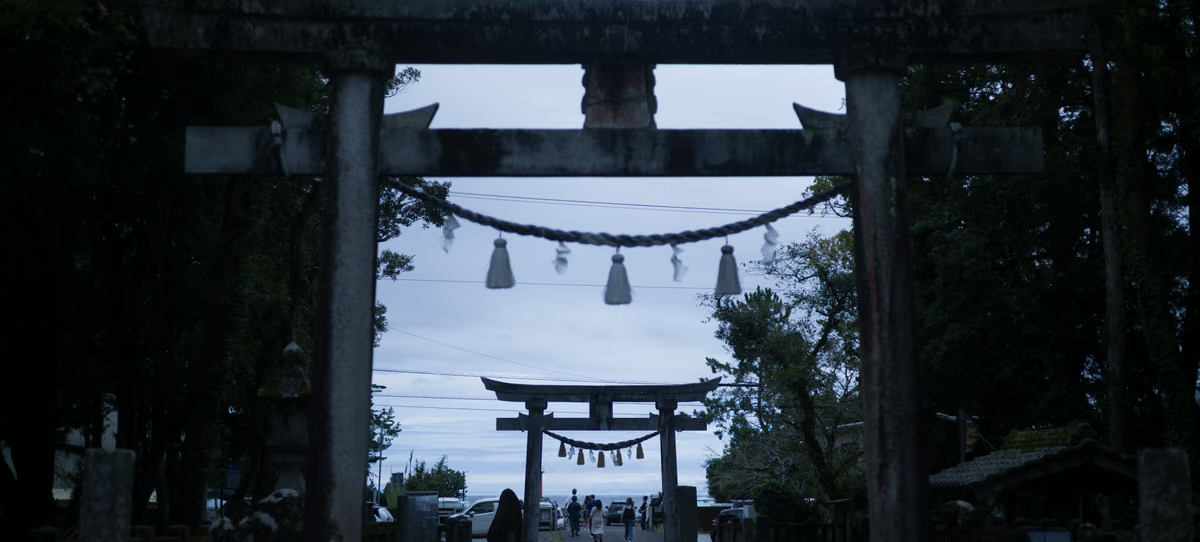
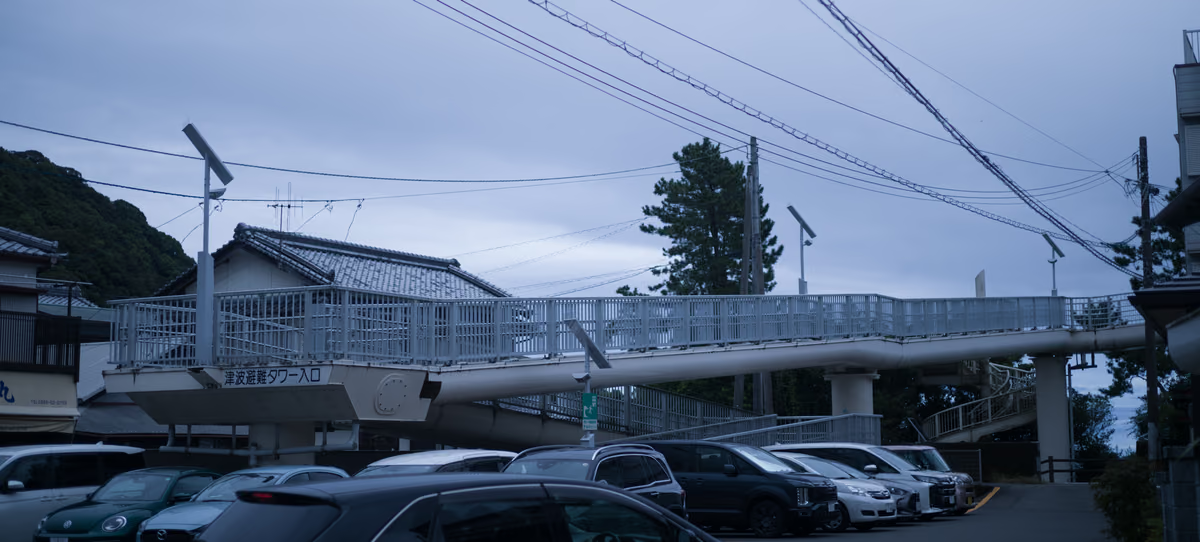
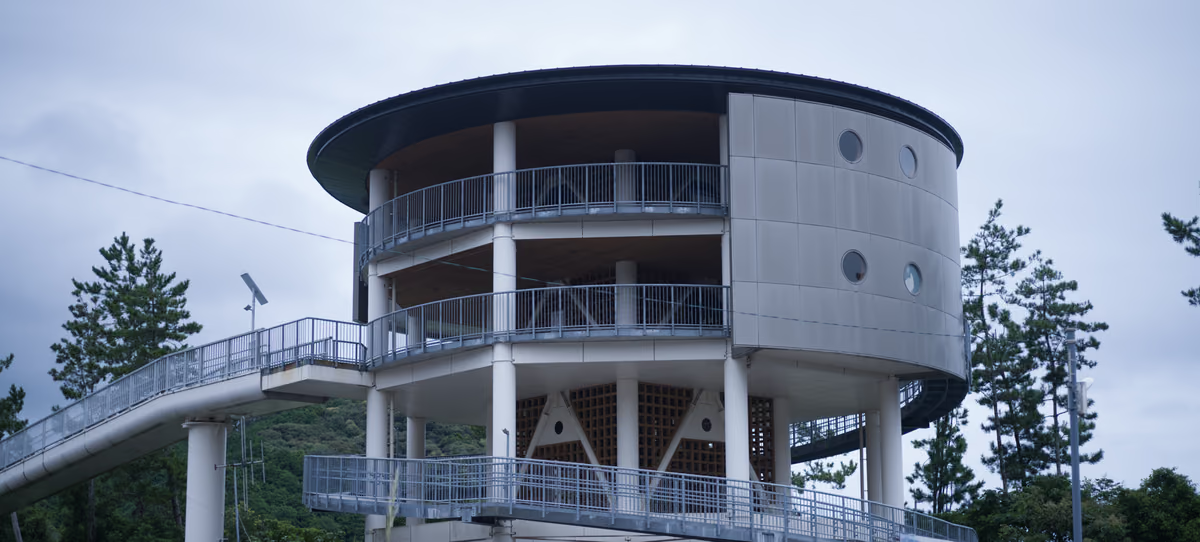
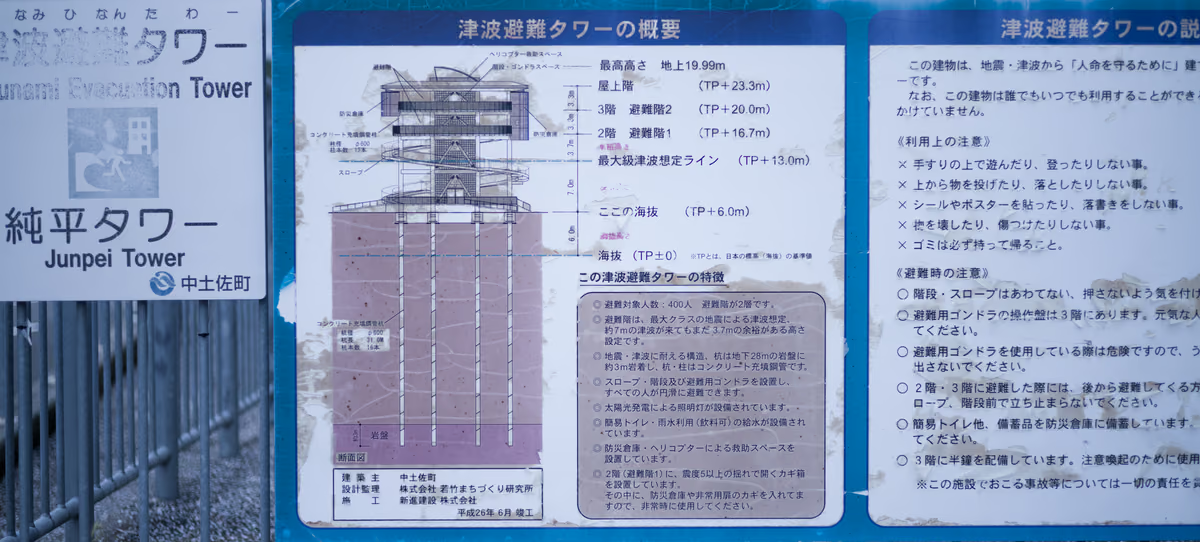
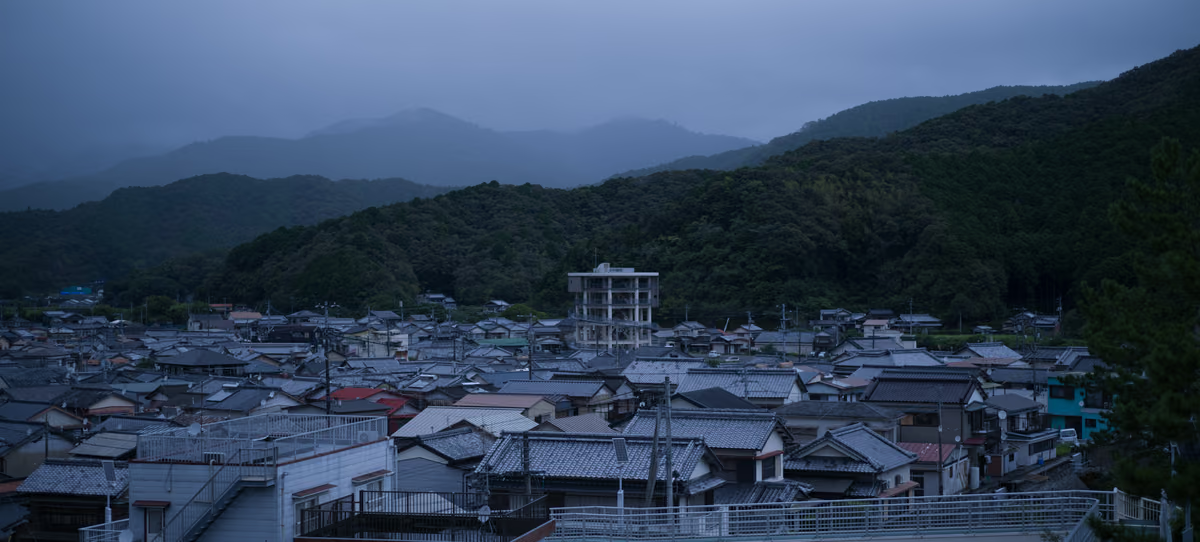
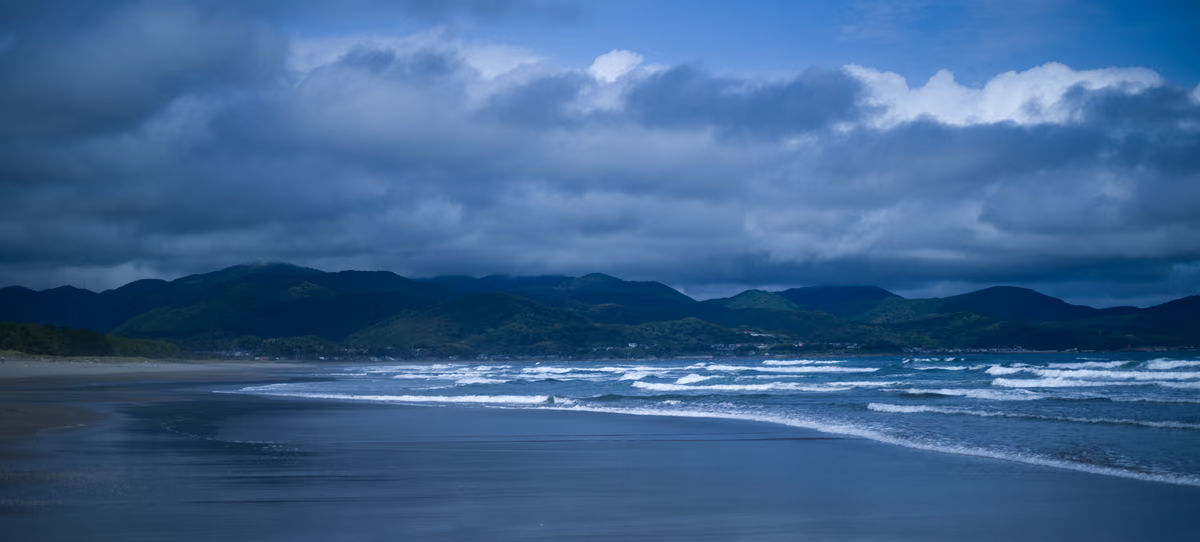
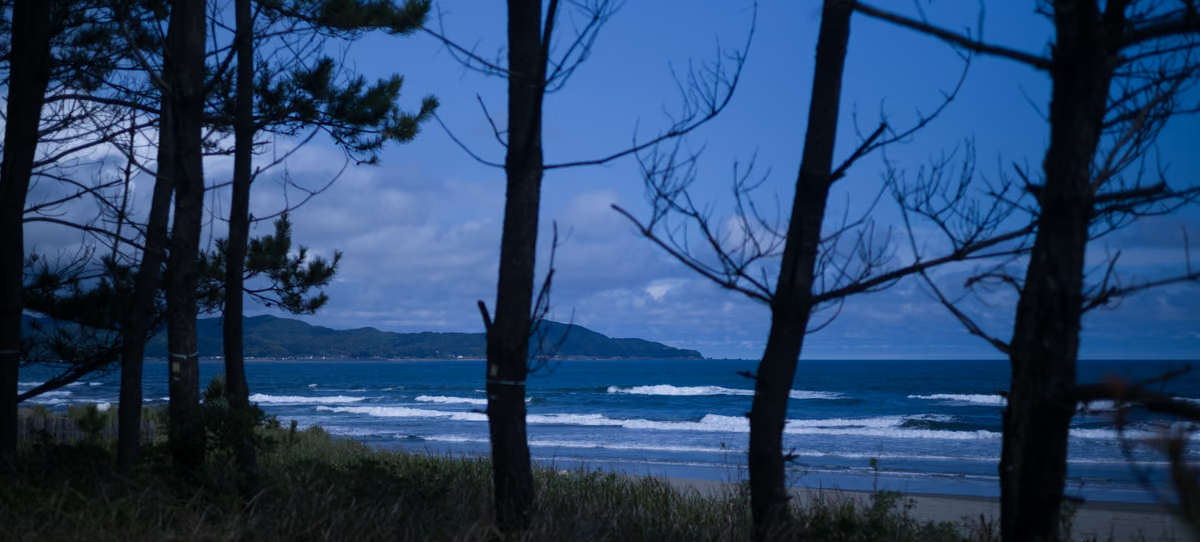
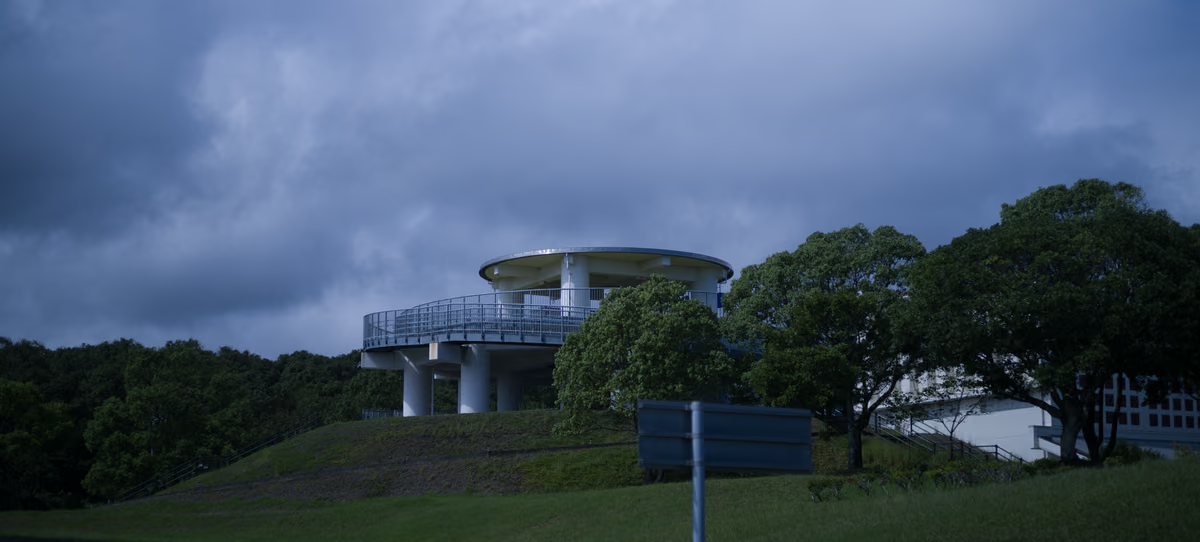
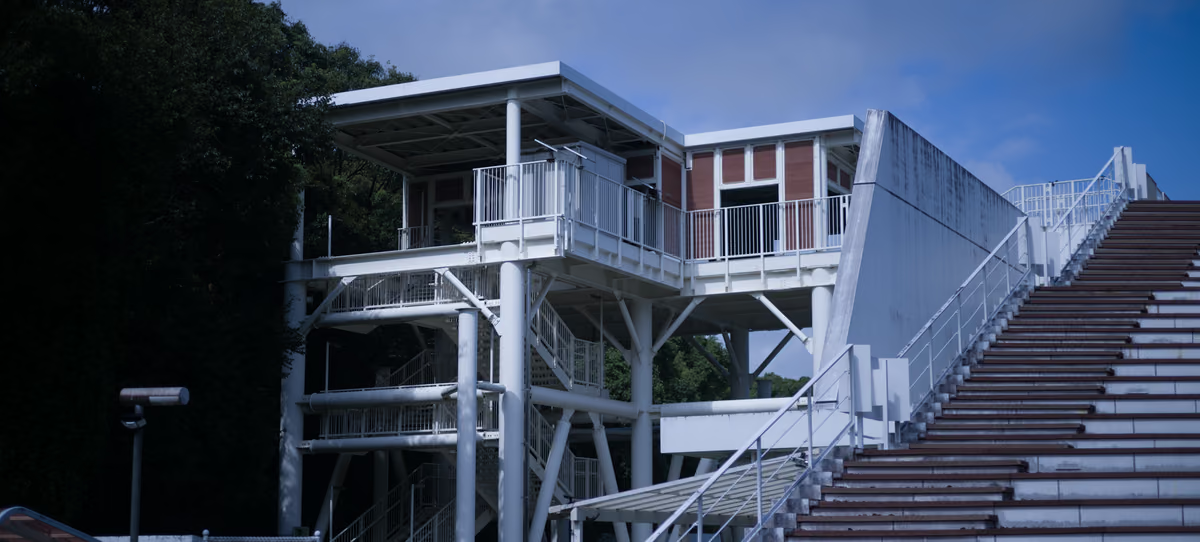
It is a quiet harbor town along a beautiful stretch of shore, lined with old townhouses, and among them a few tall towers catch the eye. They are tsunami evacuation towers. For people who live beyond the reach of tsunamis, towers like these belong to a daily life they will never see.
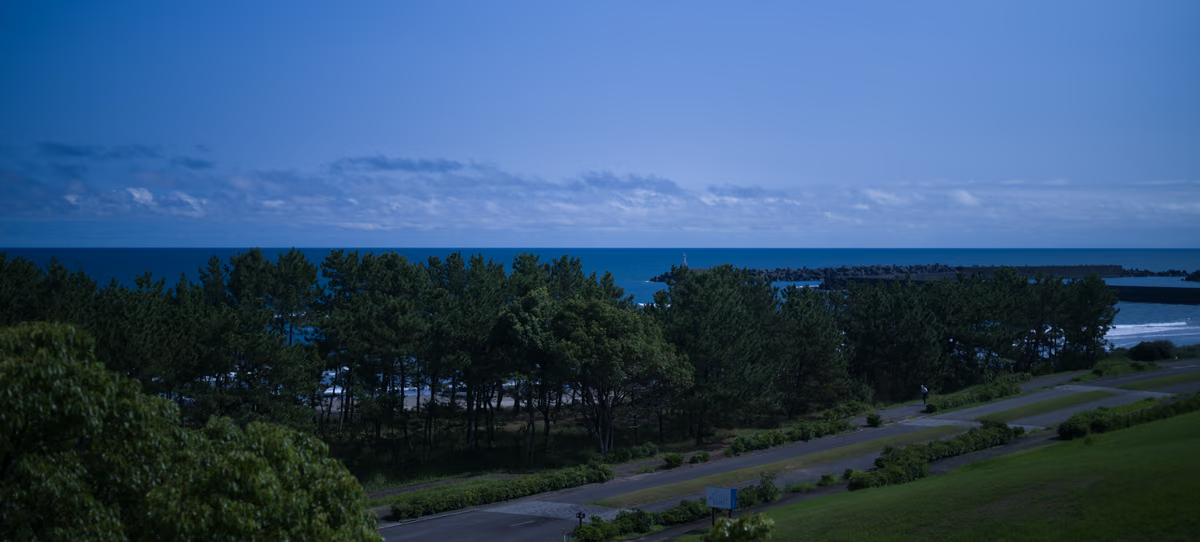
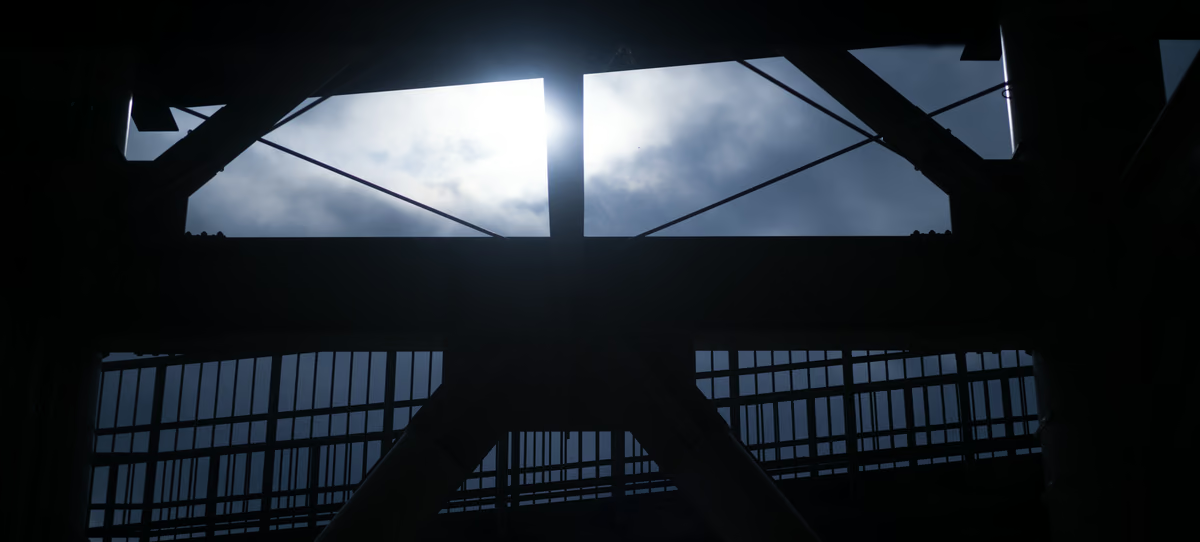
Standing in front of one, I was overwhelmed by its height, but the most frightening moment came when I reached the top.
“Is this really how high I would have to climb to escape the tsunami?” However hard I tried to imagine it, the feeling would not come.
Still, when I traveled along the Sanriku coast in the northeast, which a tsunami had once ravaged, I saw the traces of an unimaginably vast wave still etched deep into the land. Because I carry that sensation with me, I understand that Kuroshio’s towers are no exaggeration.
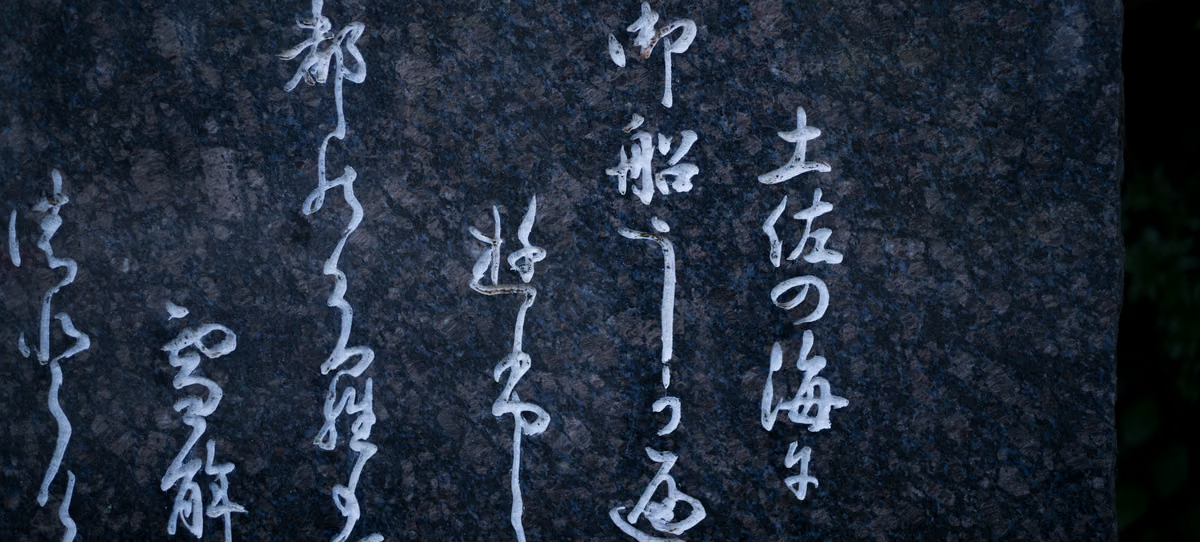
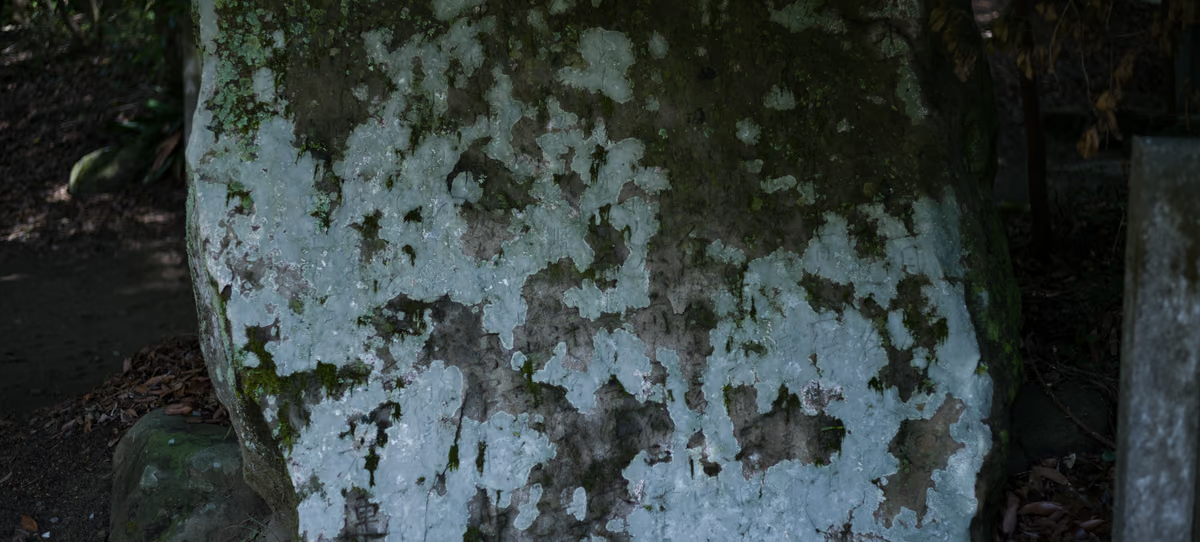
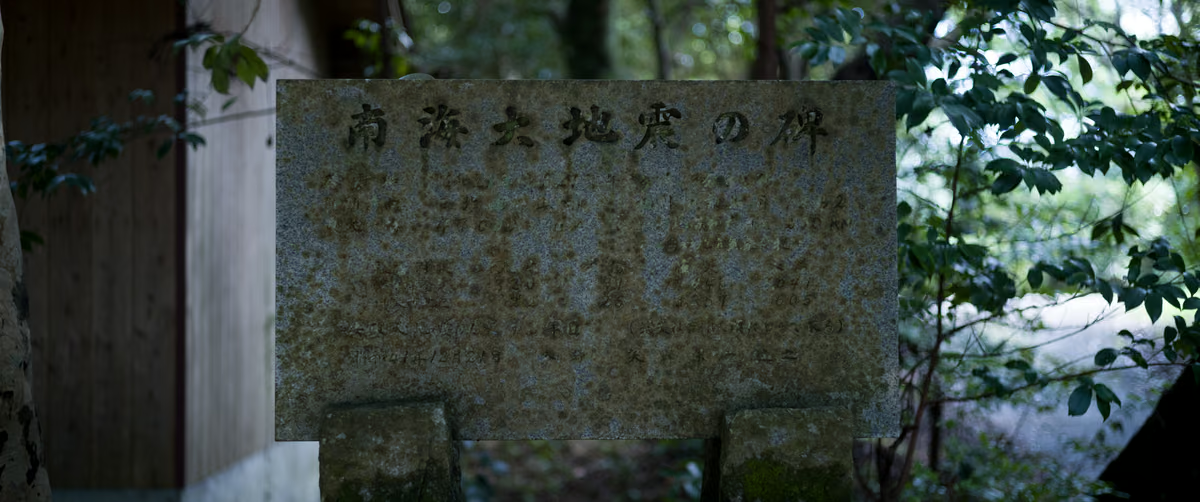
The cold fact is that no one knows when an earthquake will strike. A stone monument in the area records the Ansei tsunami, which hit on the fifth day of the eleventh month of 1854, near the end of the Edo period. According to its inscription, a faint tremor was felt around noon on the fourth, the tide crept up over the shore, and a phenomenon called Suzunami, or “bell waves,” appeared. Those who came before warn that the bell waves were the sign of a tsunami to come.
Relieved, people went back to their daily lives on the fifth. But at four in the afternoon a great earthquake struck, everything collapsed, seawater surged up the nearby rivers, and then the tsunami came all at once. It came in a first wave, a second and a third, with the fourth the largest of all, and by nightfall seven waves had struck and everything had become sea, or so the inscription tells us.
Those who came before warn those who come after that the bell waves are the sign of a tsunami.
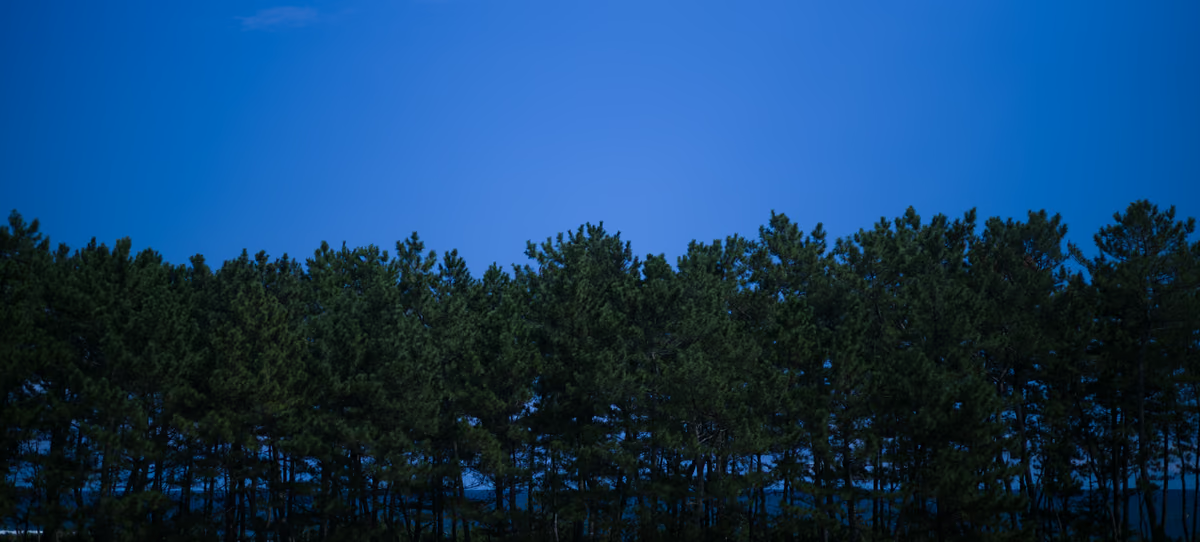
I climbed several of the evacuation towers, and all I could hear was the low sound of waves rolling in beyond the pine grove. The warning to beware the bell waves also holds sealed within it the memory of a roar that only they ever heard.
To enjoy Japan in earnest, you need something more than a flawless schedule and restaurant reservations. You need to be better prepared than anyone for natural disasters, both in your plans and in your mind.