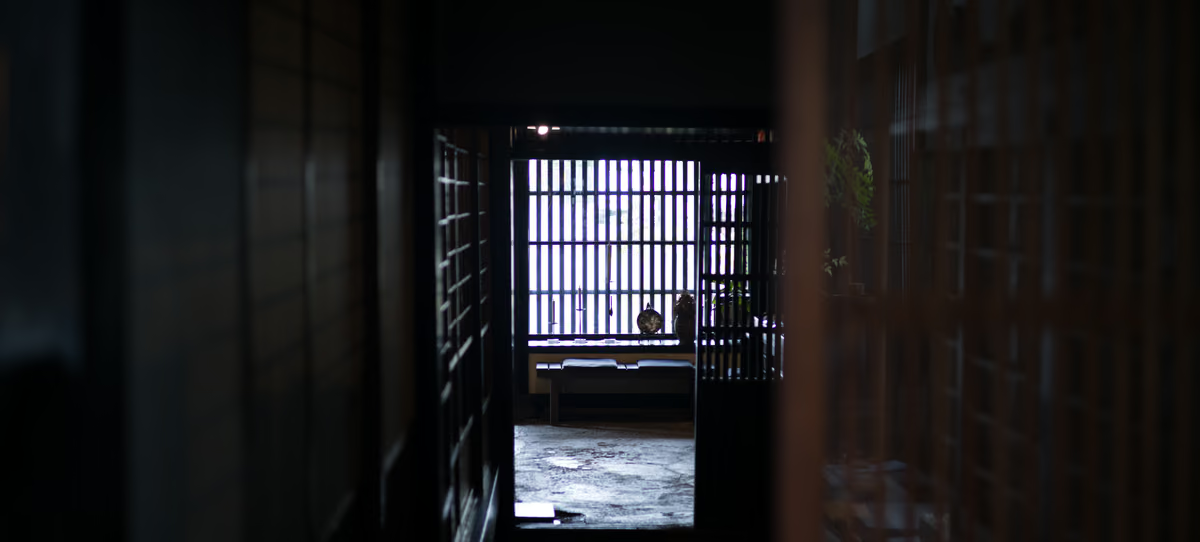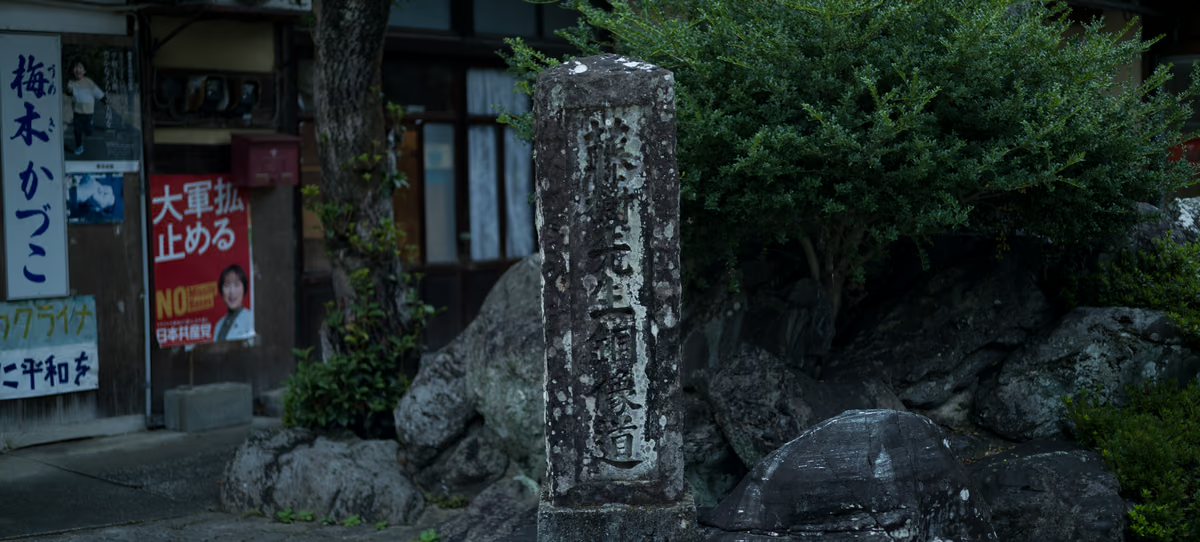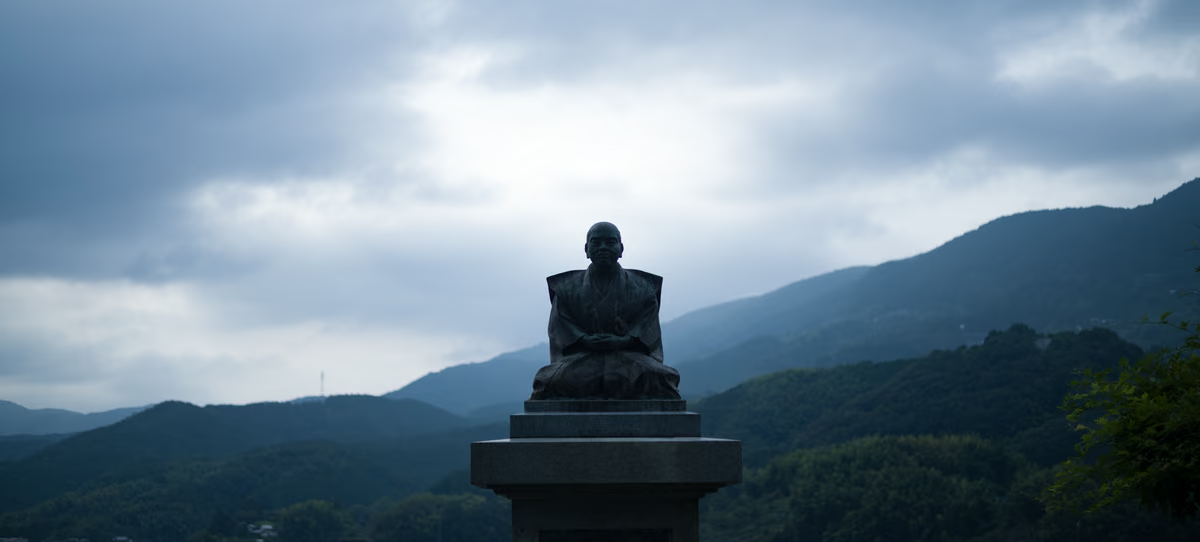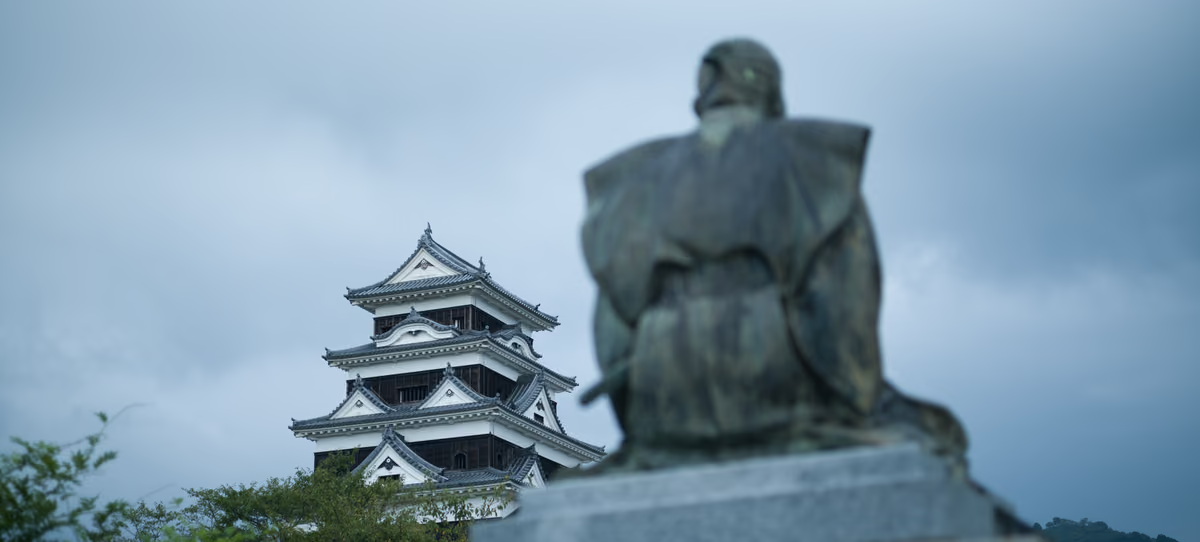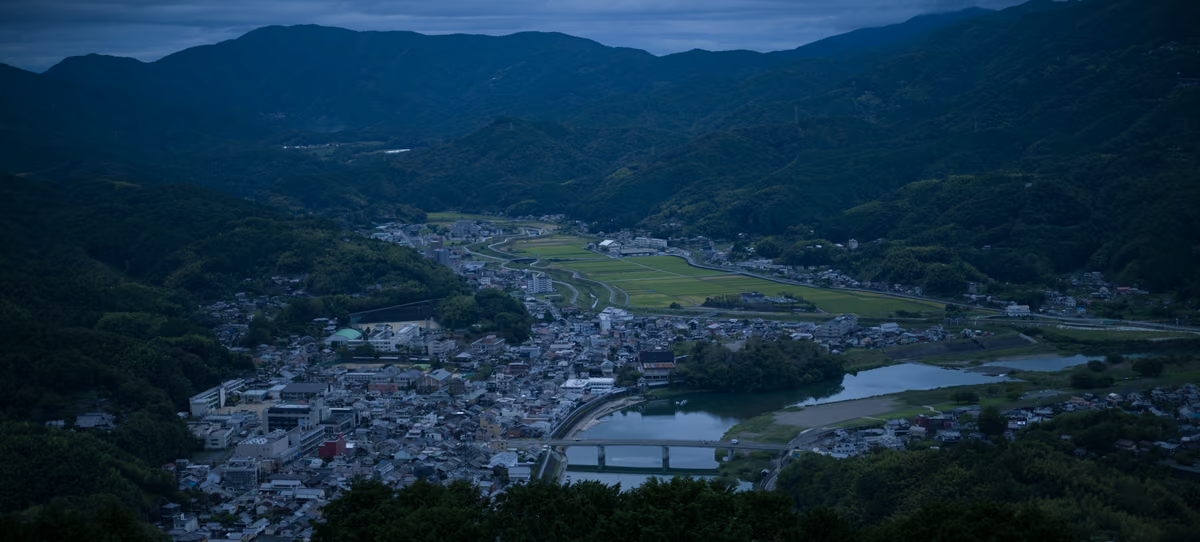
The squalls came, stopped, and came again. The four seasons have dissolved into something that can only be called a rainy season, and in the middle of it I went to Ozu, a town in Shikoku closed in on all four sides by mountains. I went because I had learned that the people there still hold one of their forebears in deep regard.
His name was Nakae Toju.
Spend enough time in history, and you begin to resent the curriculum. You keep meeting people so remarkable that you cannot understand why no school ever set them in front of a child. Toju (1608–1648), who taught Confucian ethics in a village, is one of them. The account of the Japanese past that was assembled after the Meiji Restoration leaves out precisely the forebears a person would want to learn from, and fills its lists of great men with figures who, frankly, do not matter very much. What a human being wants from learning is not an inventory of information. It is a teaching that is alive.
Ask someone today what learning is and you will probably not get an answer. Our forebears could have answered. They staked their lives on it, they used their feet, and then they taught what they had found. They did it not for the country alone, but to stand themselves up in the world and to leave the people around them happier for their presence. That sense of the thing has gone out of society, and still, each of us ought to be able to wake it again. The place to begin is whatever moved you personally. In my case, it was Wang Yangming (1472–1529), and to reach him I wanted to walk back along the lineage that Japan came to call Yomeigaku, the school his thought became here.
So I set out among forebears almost nobody talks about. What drives the journey is anger at the present. Hand tools to a person who has not yet been made into a human being, and nothing whatever comes of it. No age understands that as well as ours.
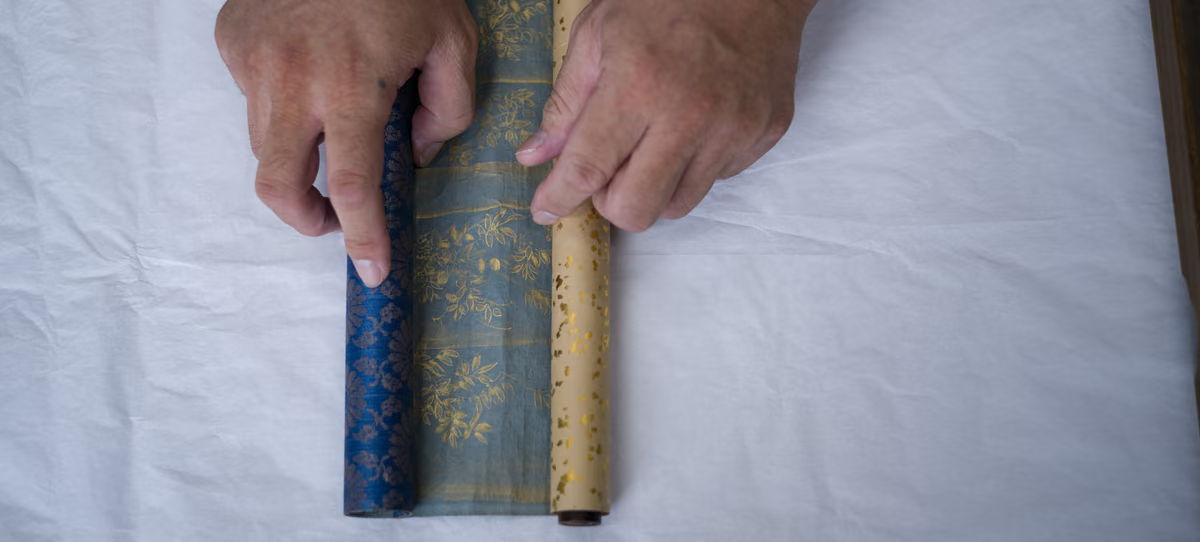
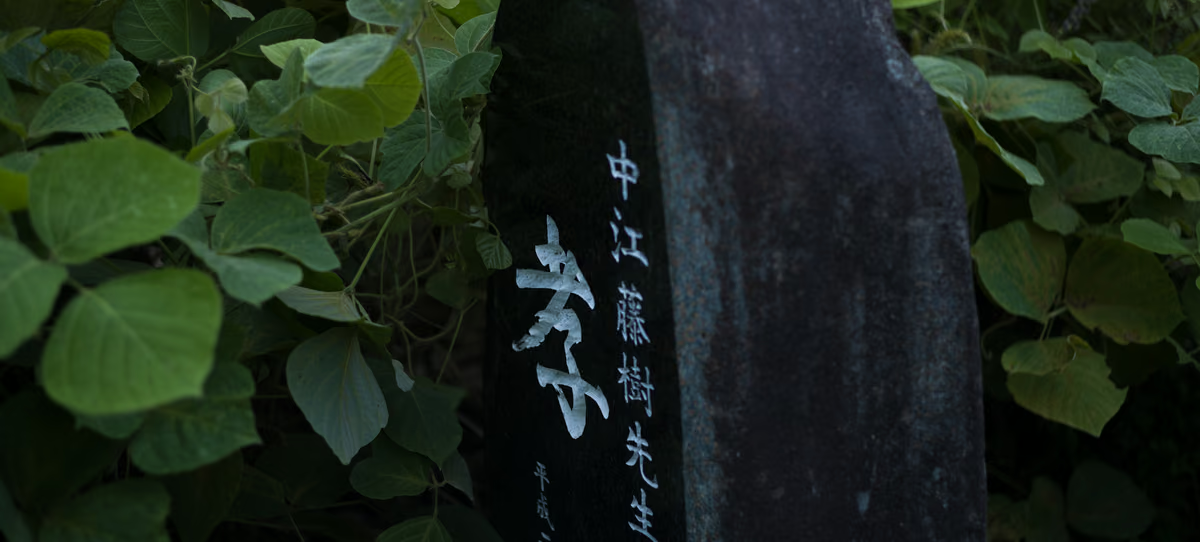
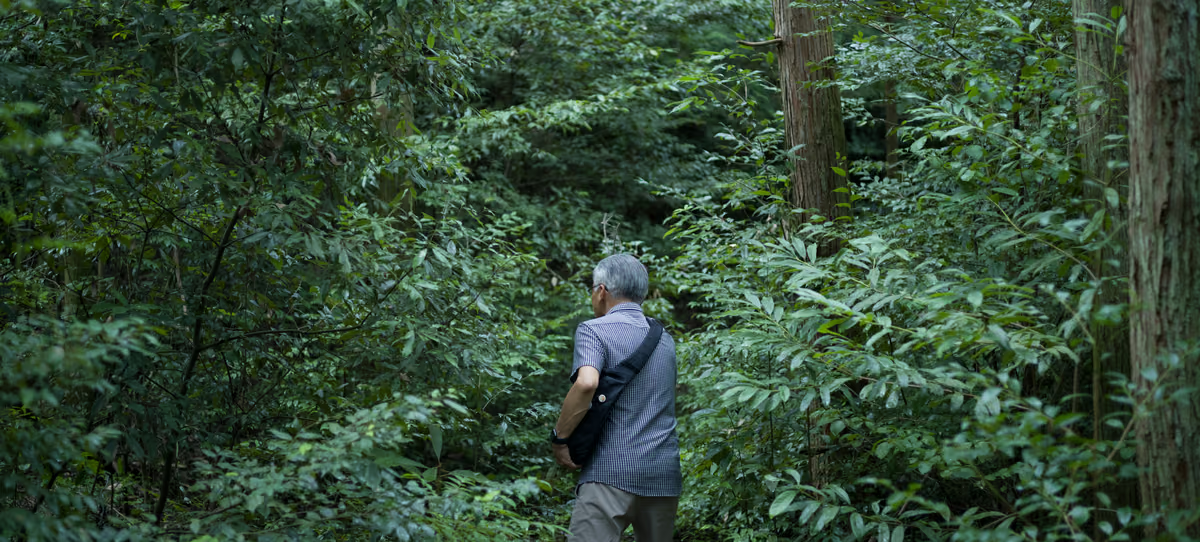
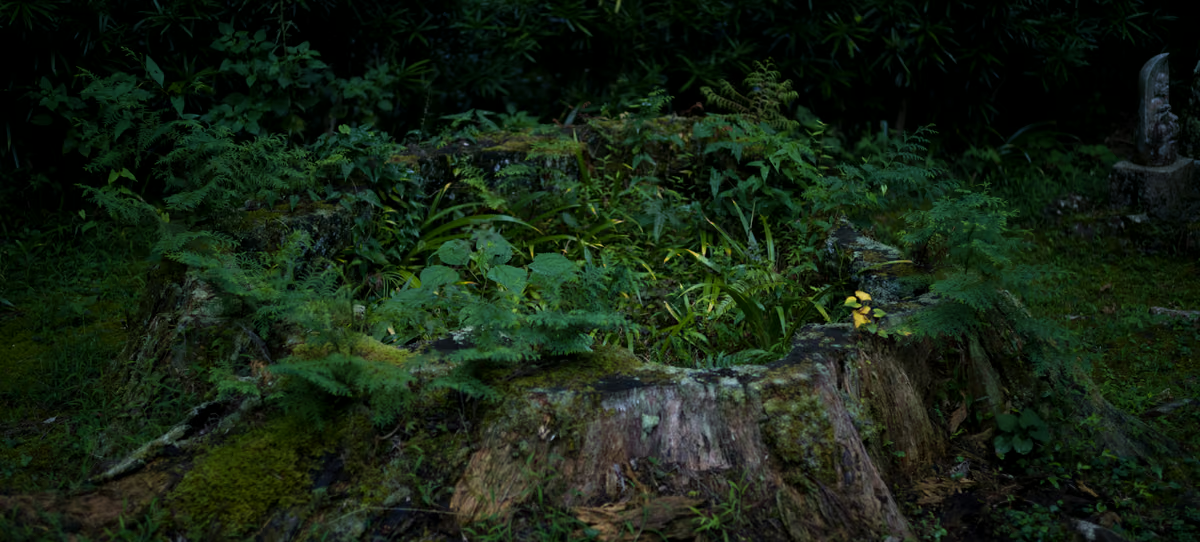
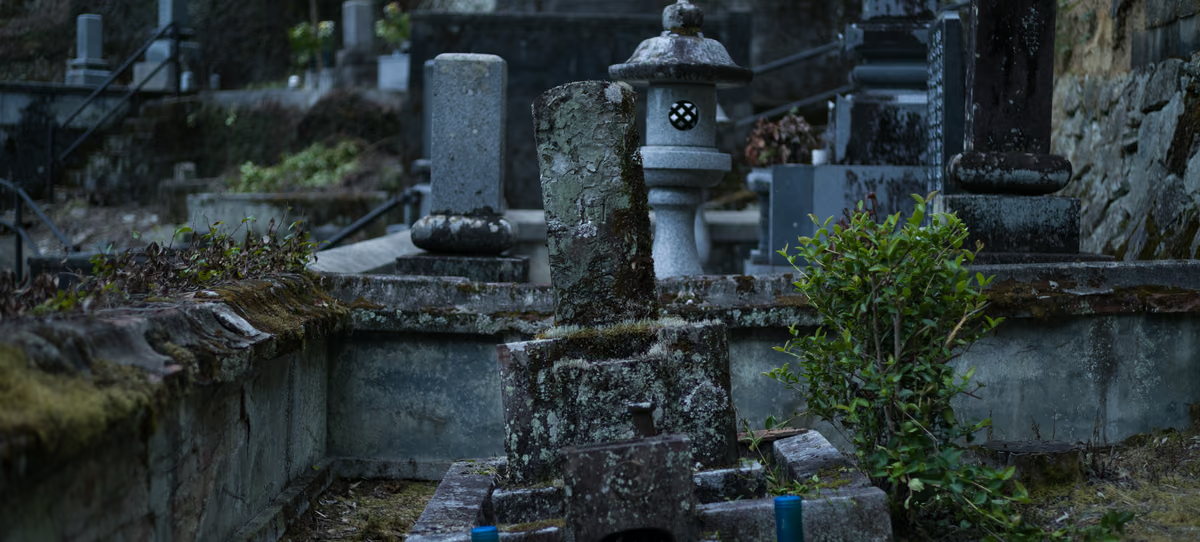
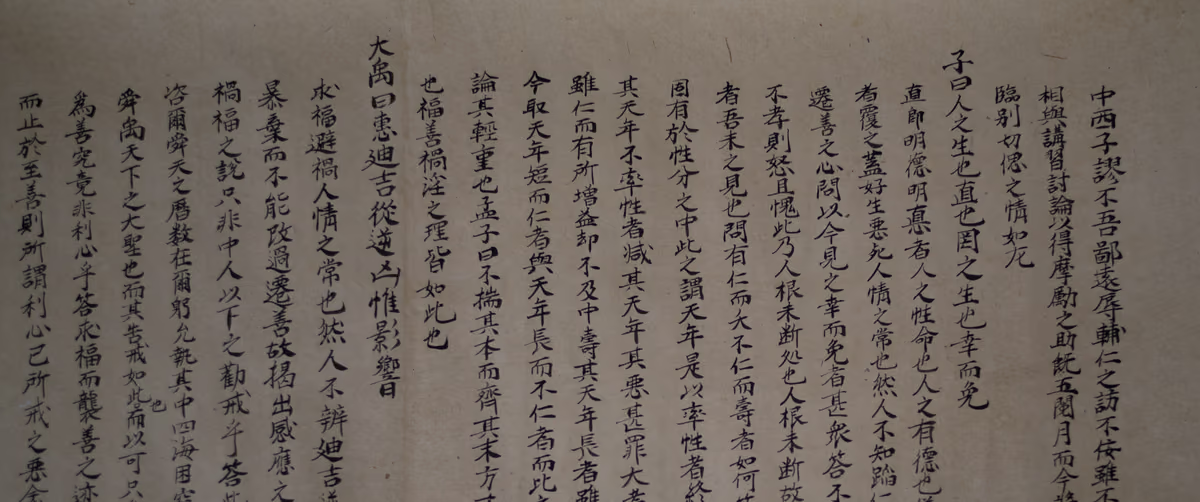
In Ozu, I was shown a document in Toju’s own hand. I put my hands together at the grave of Kawada Yukin (1684–1760), a scholar of the same school, and I was walked through the folklore and the history of the town by people who took care that I actually understood it. Perhaps we do not fail to know our own history. Perhaps we only fail to know the people in it worth knowing. Or, more simply, perhaps learning lost the part where you go and stand there yourself.
Hearing a hundred times is not worth seeing once.
Every time I use my feet, I find that this country held more of these people than I knew, and it moves me again. This one step will turn out to be a large one.