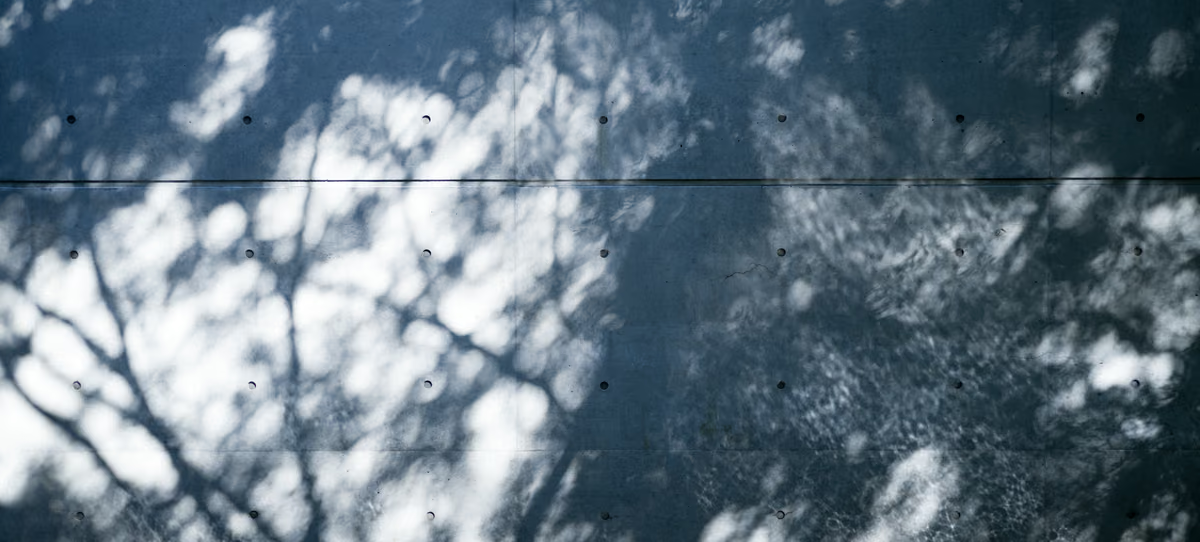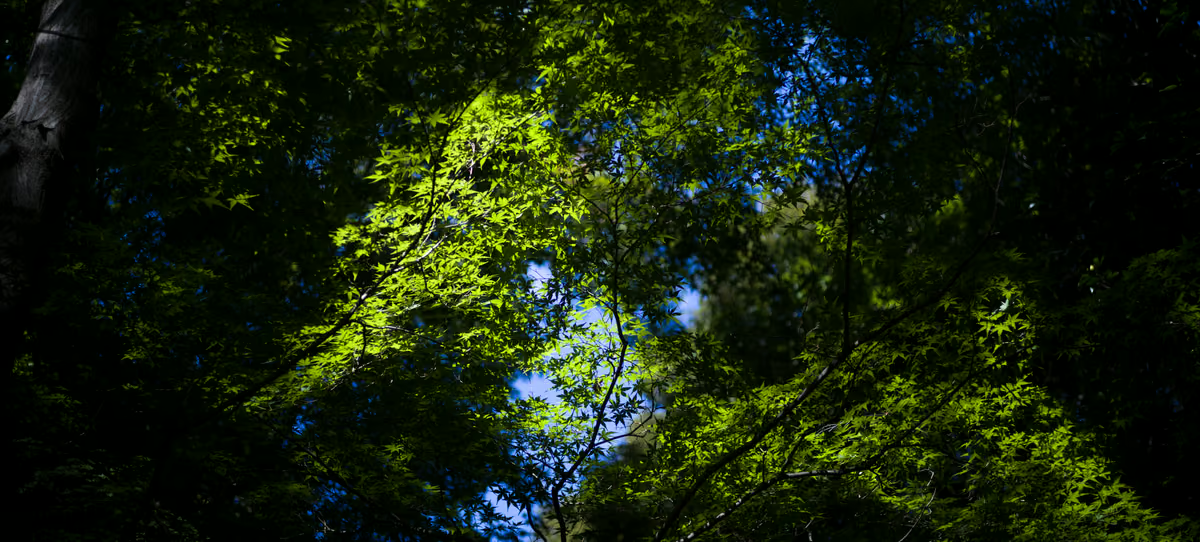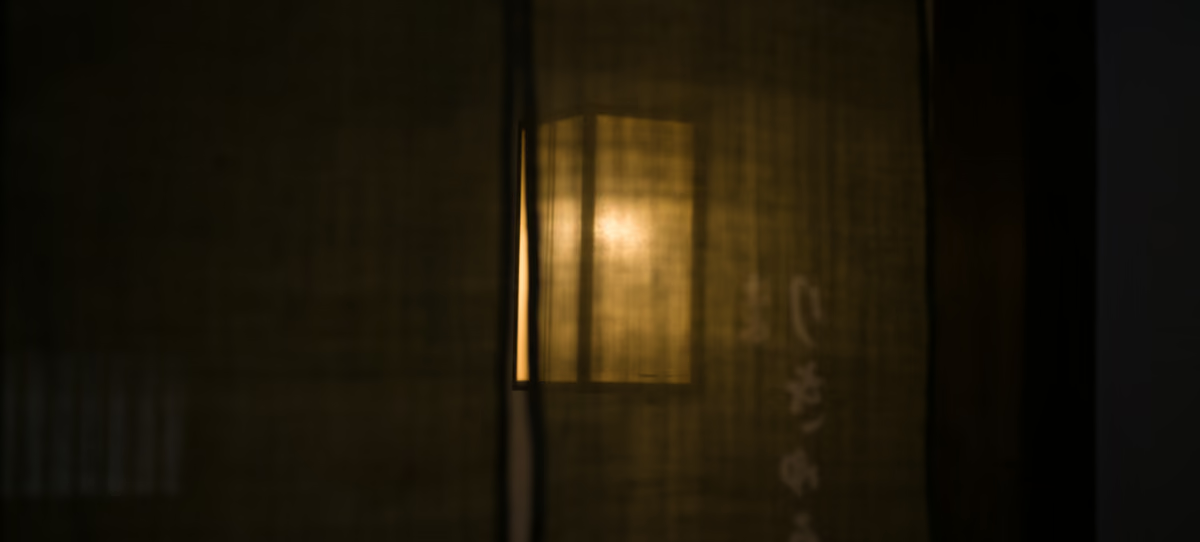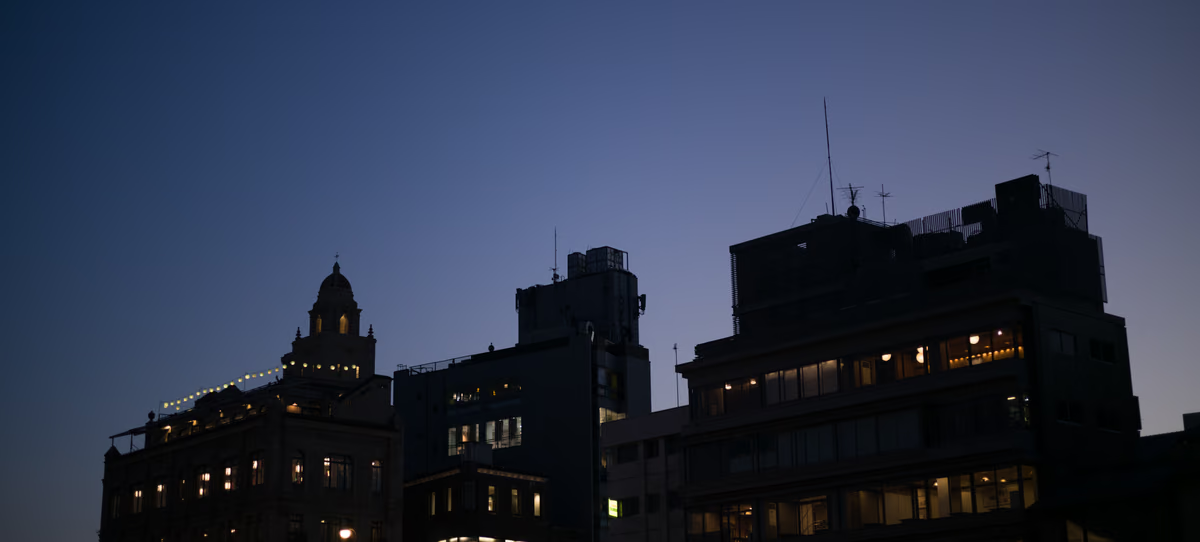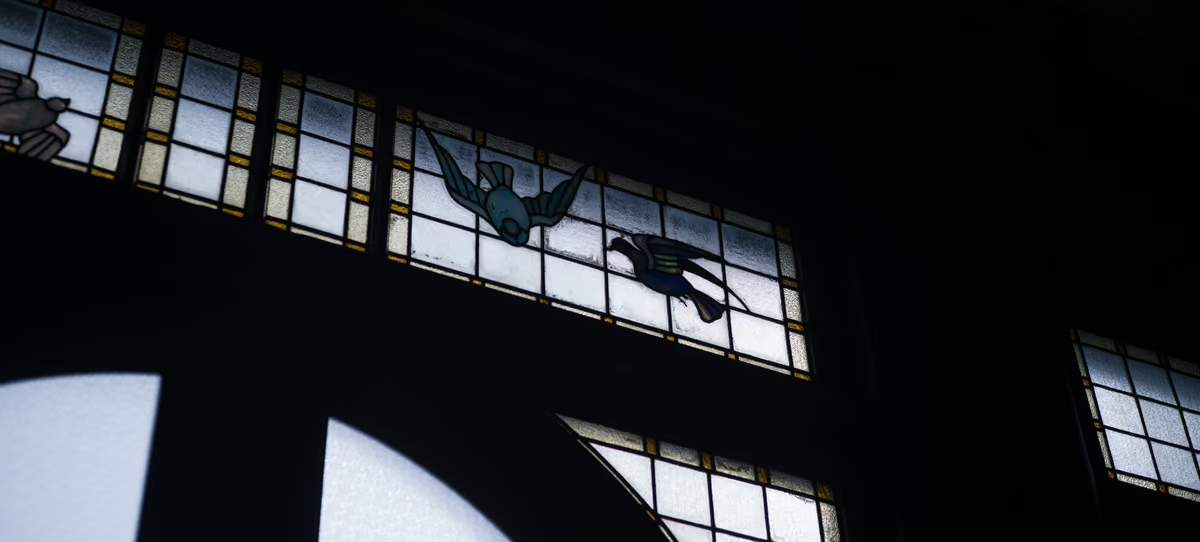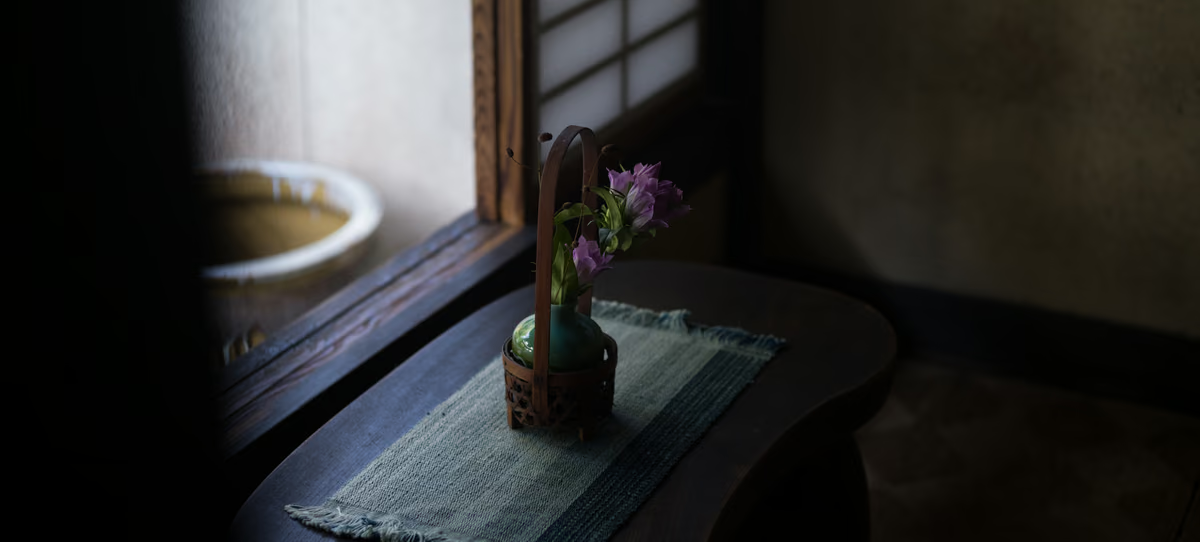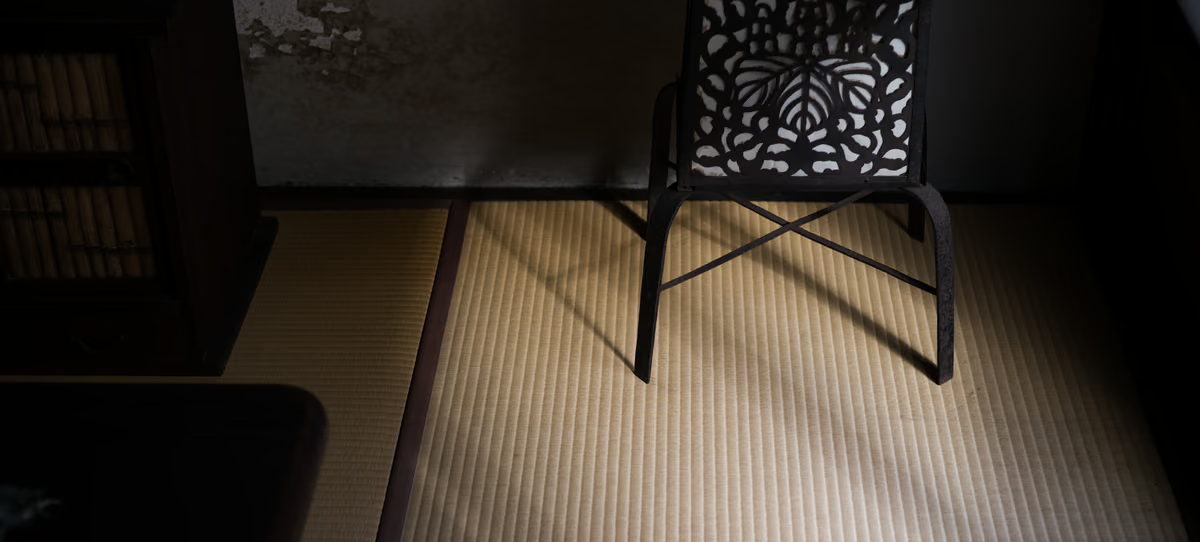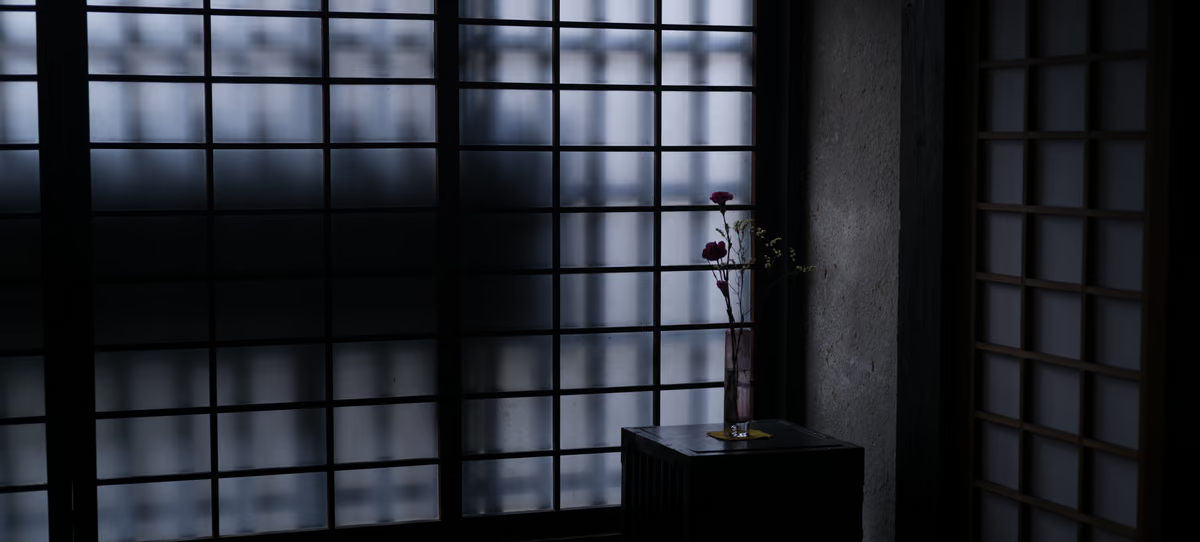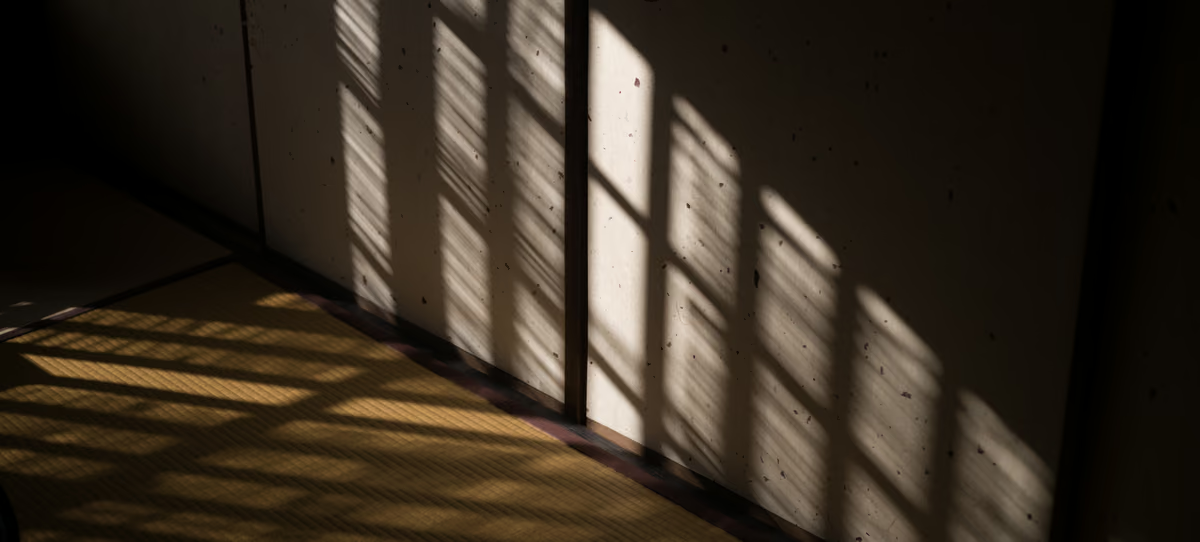
Data centers now swallow staggering amounts of electricity and water, and there is a growing movement to keep the Earth lit around the clock. It is a characteristically Western idea, the natural outgrowth of a culture that has always looked for beauty in brightness. What it should also make us think about is the beauty of shadow.
You cannot know light without knowing shadow, and you cannot know shadow without knowing light. The two are not separate. At bottom, they are inseparable, which is why this is not an aesthetic question of which one is better.
Rereading In Praise of Shadows, Junichiro Tanizaki’s classic meditation on the beauty of shade in the days before electric light, I began to suspect that before we ever get to “solving the world’s problems,” what we have actually lost from the spaces we live in is light and shadow themselves. What matters most is to look at ourselves before we look at the world, and to ask what our daily lives are actually like.
This sensibility seems to have been lost, and yet it has not been. Like light and shadow moving together, the Japanese sensibility is in step with the present, here and now. It feels less like an aesthetic than like the very way the Japanese exist, and it seems to hint at where things are headed.
Ever since the Meiji era, Japanese society has been steadily erasing its shadows, and that same impulse drove the country’s industrial growth. There is no point now in asking whether electricity was a good thing. But just as the world is turning back to analog in reaction to an excess of the digital, an excess of light may bring about a turn back toward shadow.
And I mean this not as a matter of aesthetics but as a way to get back a good night’s sleep.
Seen this way, Tanizaki’s aesthetic may speak more clearly to people today if we read it at a more instinctive, biological level. We live under electric light at all hours and bathe in the small glow of our phones. The answer is simple. Get light in the morning, and keep the night dark. That way of living is what we have really lost, and what we really need to return to may turn out to be nothing more than that.
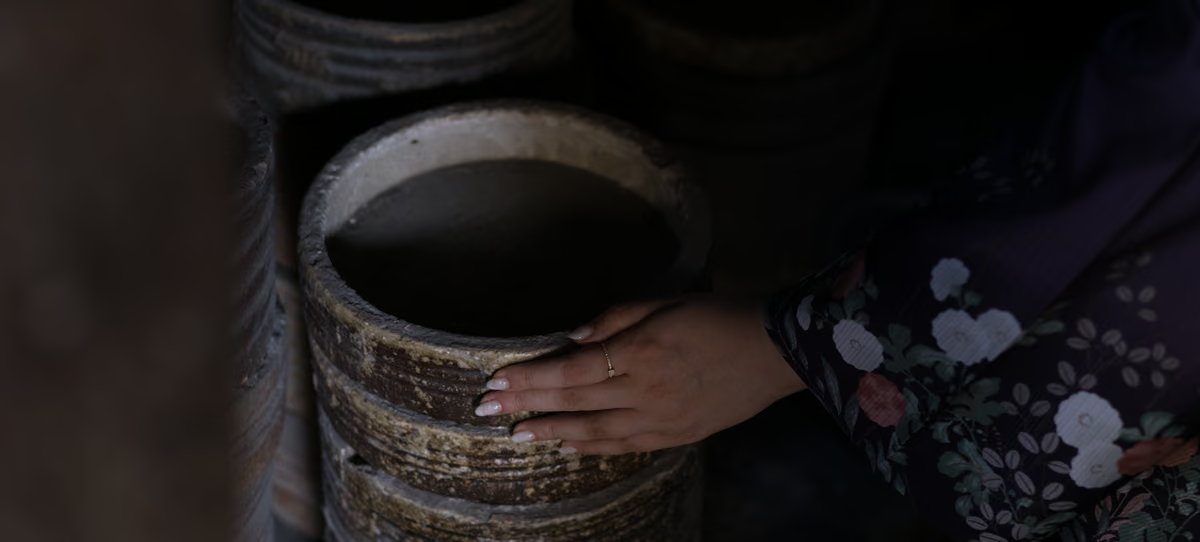
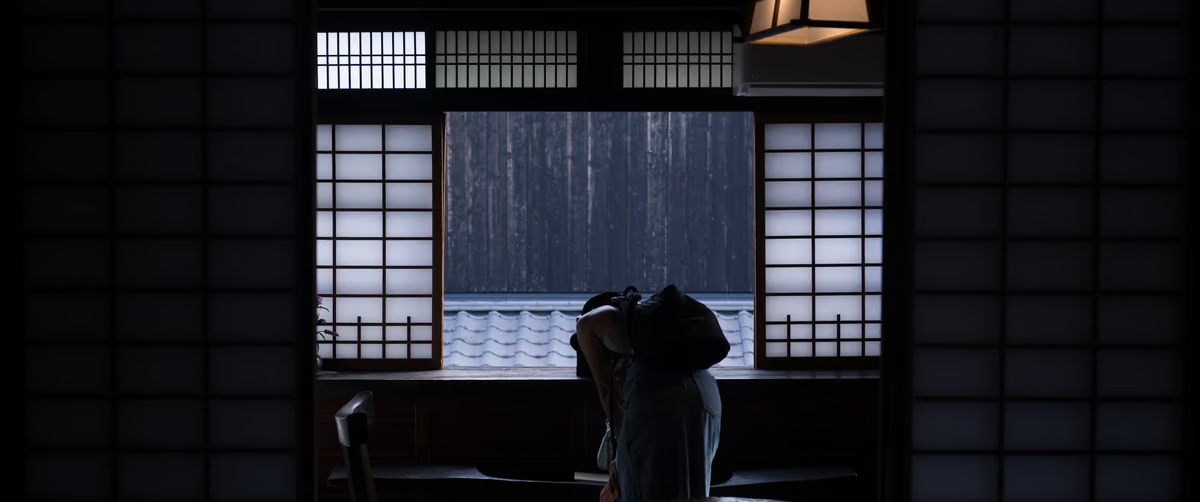
Japan’s more refined forebears thought carefully about how to bring light into a home, and they built the answer into the fabric of daily life. Put another way, they made a point of not killing the shadows. I first grasped this for myself at the Kanjiro Kawai Memorial Museum in Kyoto. Kawai, a leading figure in the Mingei folk craft movement, lived through the Meiji, Taisho, and Showa eras, and his sensibility still inhabits the house.
I, on the other hand, have lived only through Heisei and Reiwa, the eras since 1989. I never knew Meiji, Taisho, or Showa, and I have never breathed the air of “good old Japan.” And yet, strangely, whenever I pick up a camera, I find myself taking picture after picture of shadows.
Perhaps the beauty of shadow still lies dormant in our genes as a people.